
Degu Housing: Creating a Safe and Happy Home
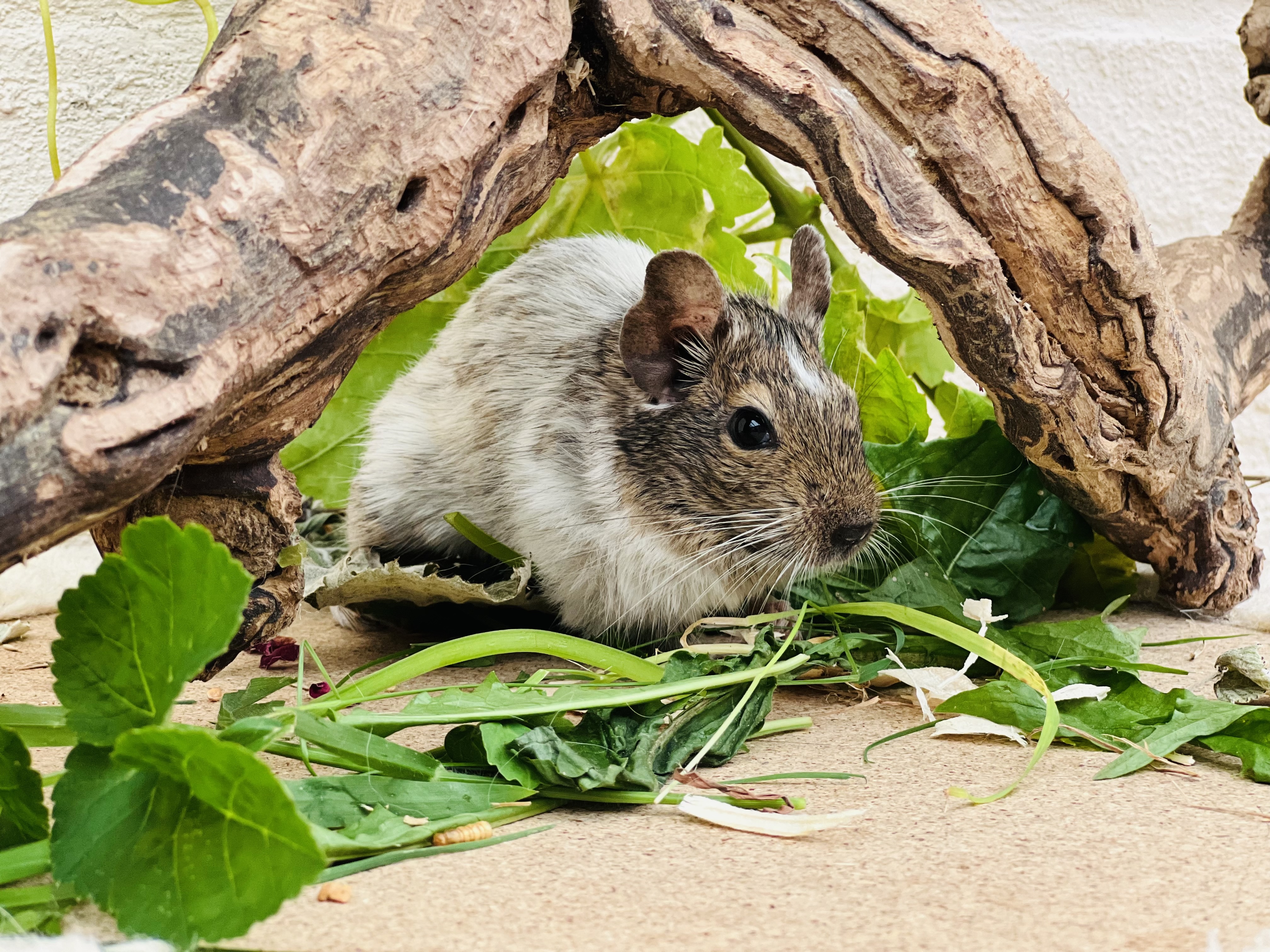
Welcoming degus into your life is a wonderful experience, and providing them with the right enclosure is one of the best ways to keep them healthy and content. This guide is designed to help new degu owners create a safe, spacious, and enriching home their little friends will love.
1. Why Good Housing Matters for Degus
Degus are active, social rodents that thrive in environments where they can run, dig, hide, explore, and interact. Good housing keeps them physically fit, engages their curious minds, and even helps prevent common health and behavior issues. Investing in proper housing is not just about comfort, it is key to your degus’ wellbeing.
Degus need to be able to:
- run
- hide
- explore
- forage
- sleep and relax
- groom self & other
- sandbathe
- interact
- bask in UV-light
- move up in height (≠ ‘climb’)

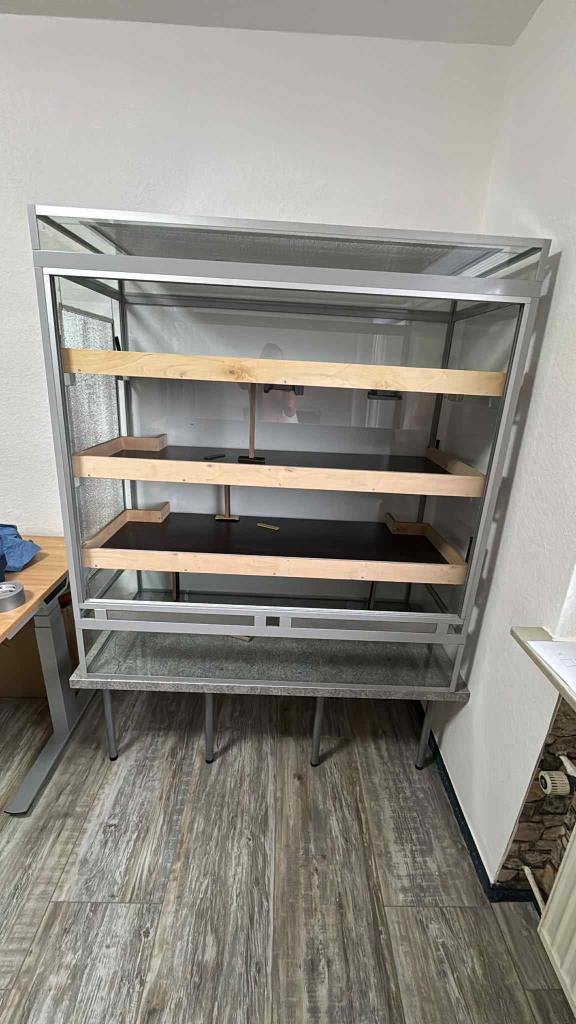
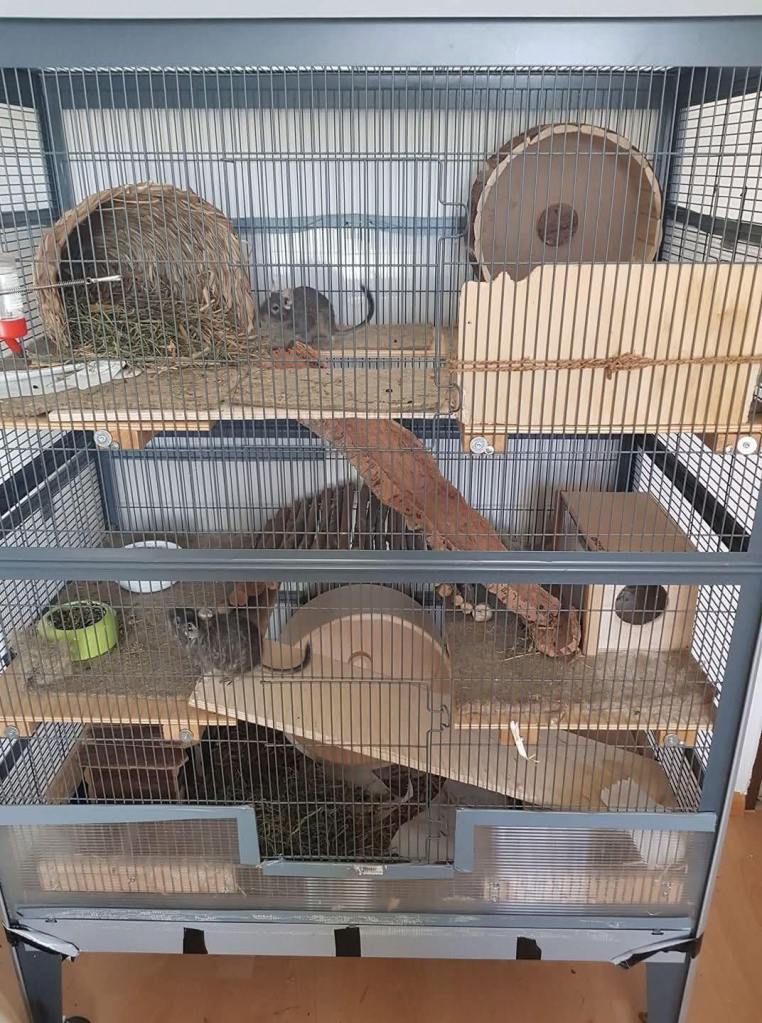
2. Minimum Cage Size and Why Space Matters
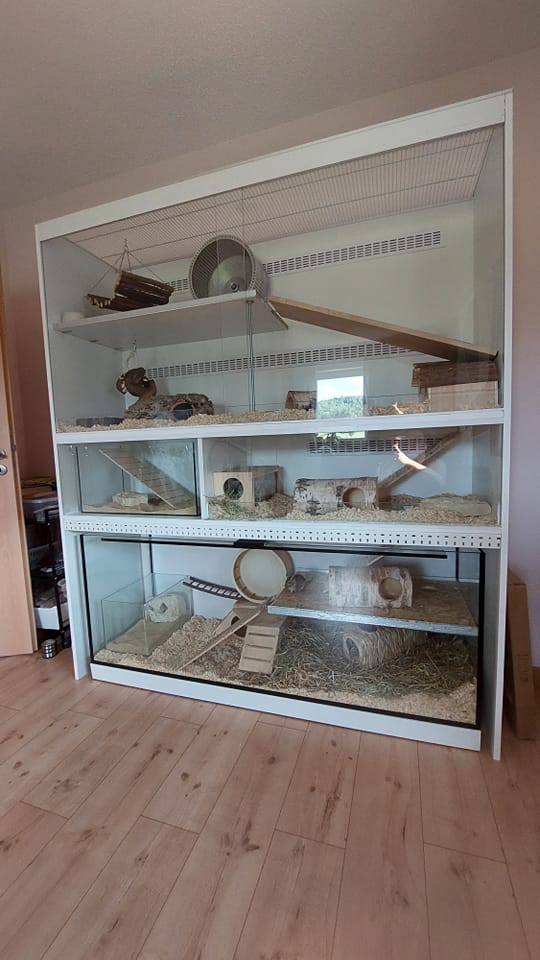
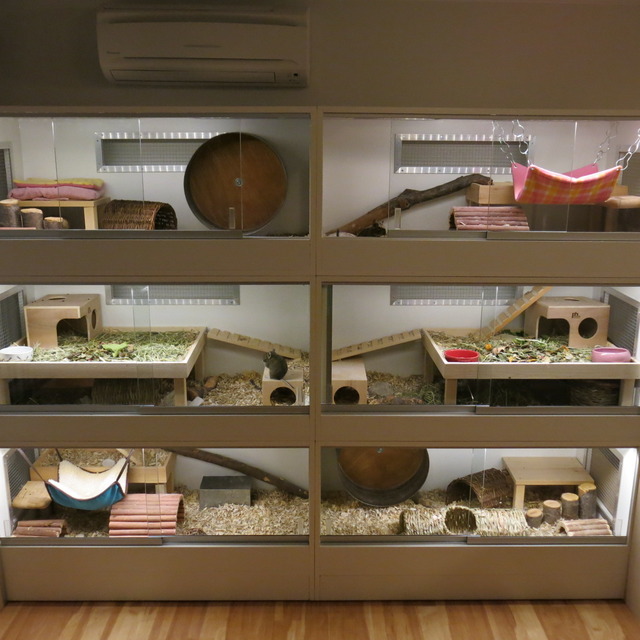
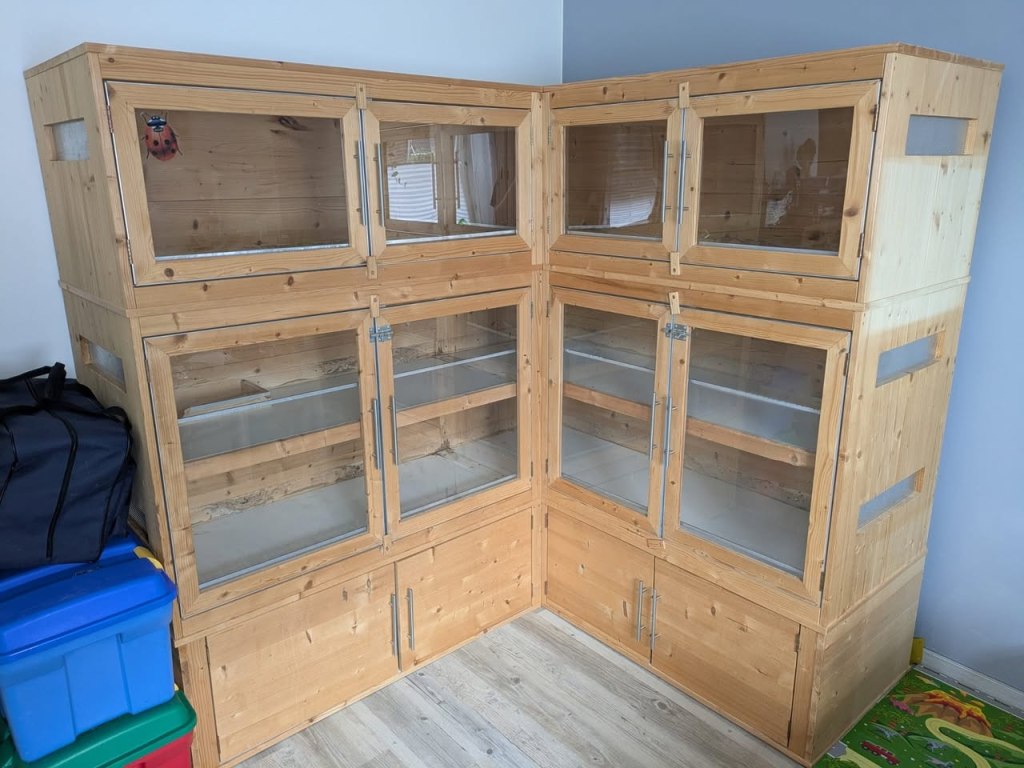
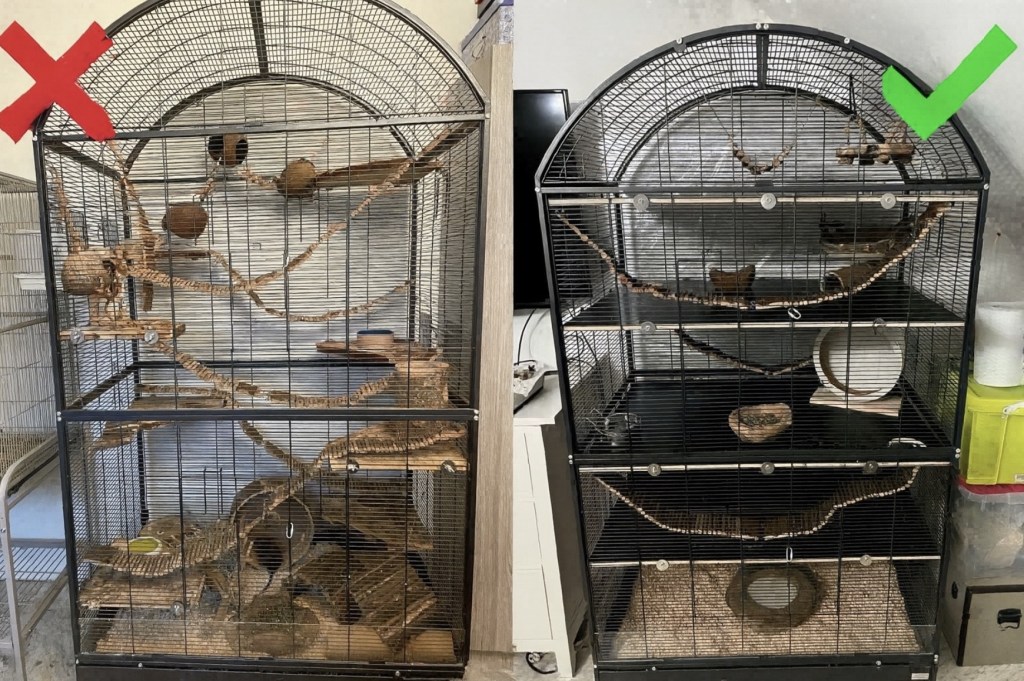
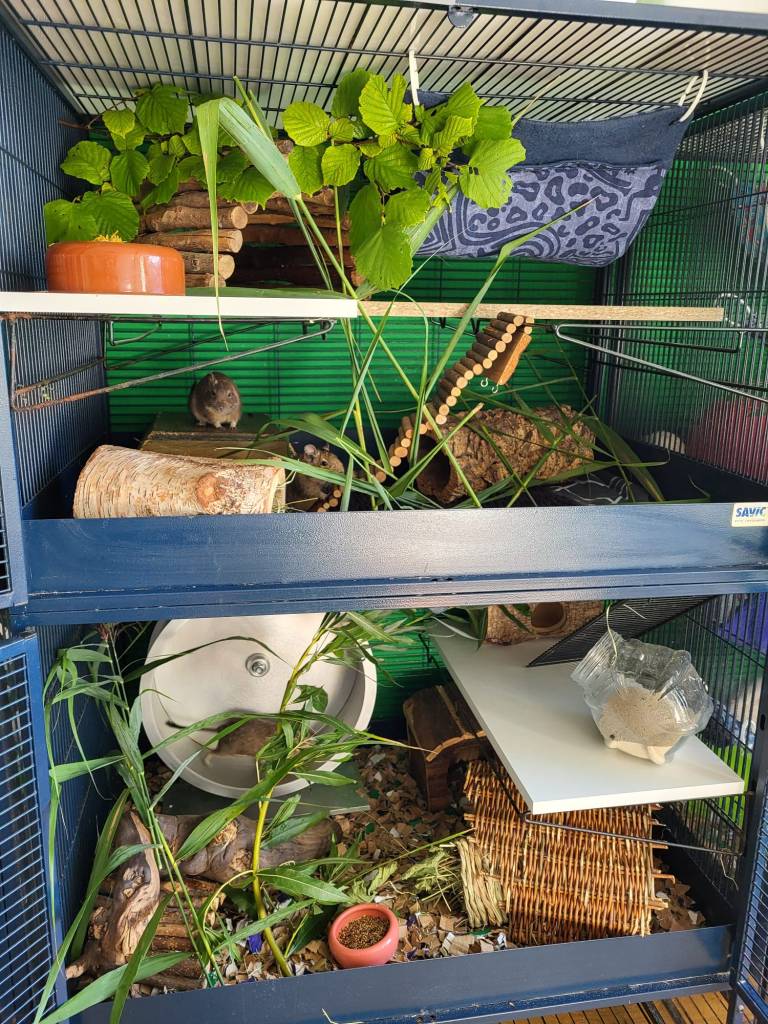
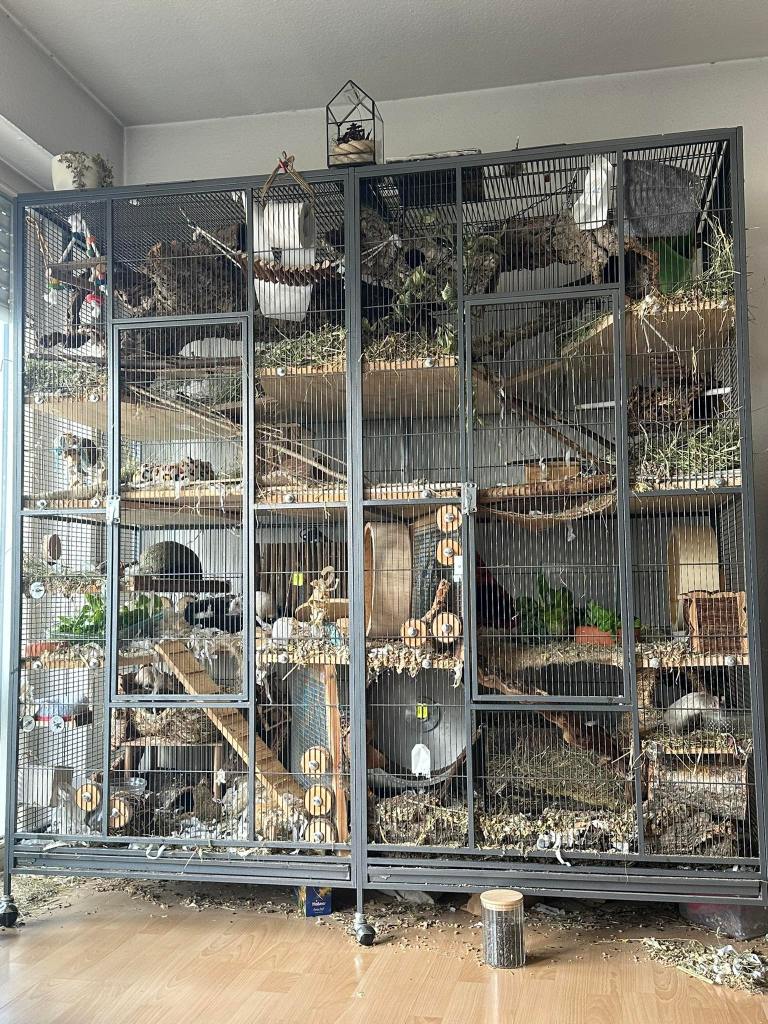
Degus need lots of space to move and play! For a small group (2-3 degus), an absolute minimum is 100 x 50 x 100 cm (about 40 x 20 x 40 inches), but more space is always better. Multi-level cages are ideal, boosting usable area. Cramped cages lead to stress, boredom, and even aggression. Horizontal and square-shaped cages are preferred above high vertical ones. Avoid small ledges the degus need to jump on, instead add large horizontal stores with large ramps (not too steep and with an even surface – no bars). Here is a hazardous example on the left and a better example on the right:
3. Choosing the Right Cage: Types, Pros & Cons
There are several cage styles suitable for degus. Consider each option carefully:
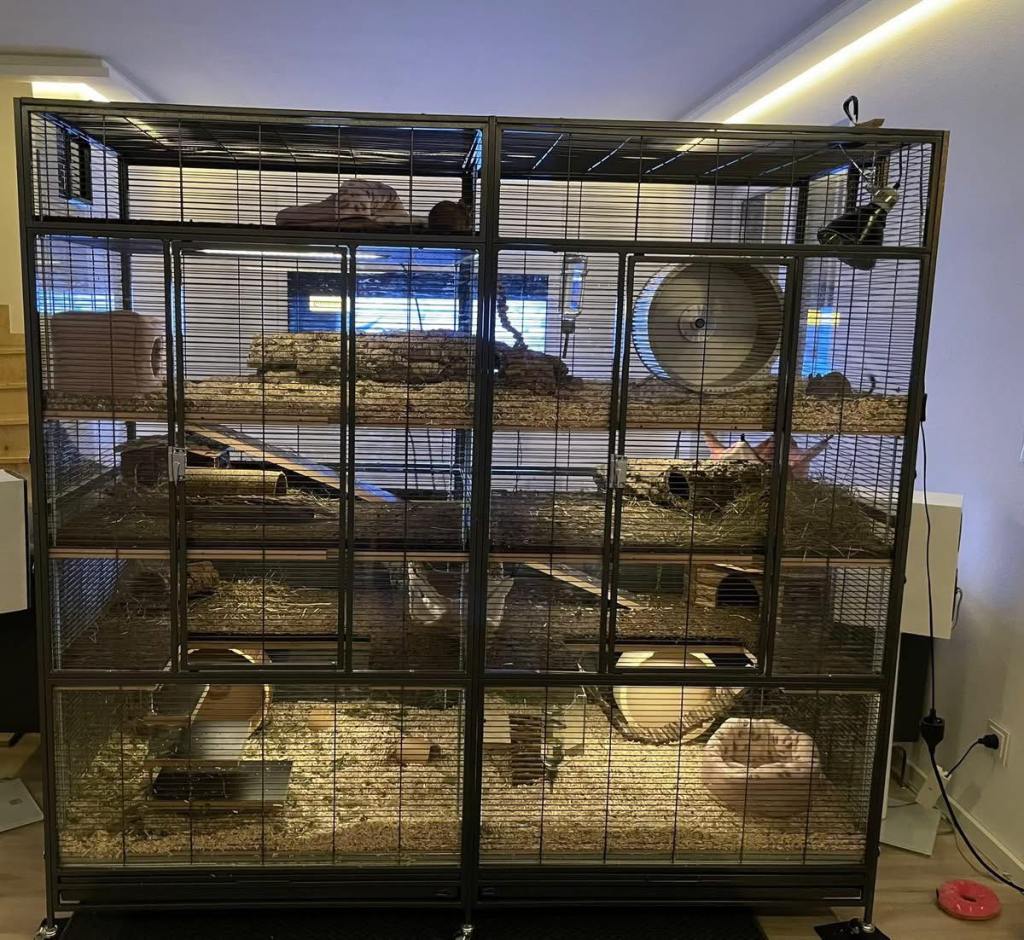
Wire Cages
✔ Excellent ventilation
✔ Easy to add shelves and accessories
✘ Bar chewing risk (choose small bar spacing, max 1,2 cm)
✘ Some designs allow mess to escape or are not chew-proof
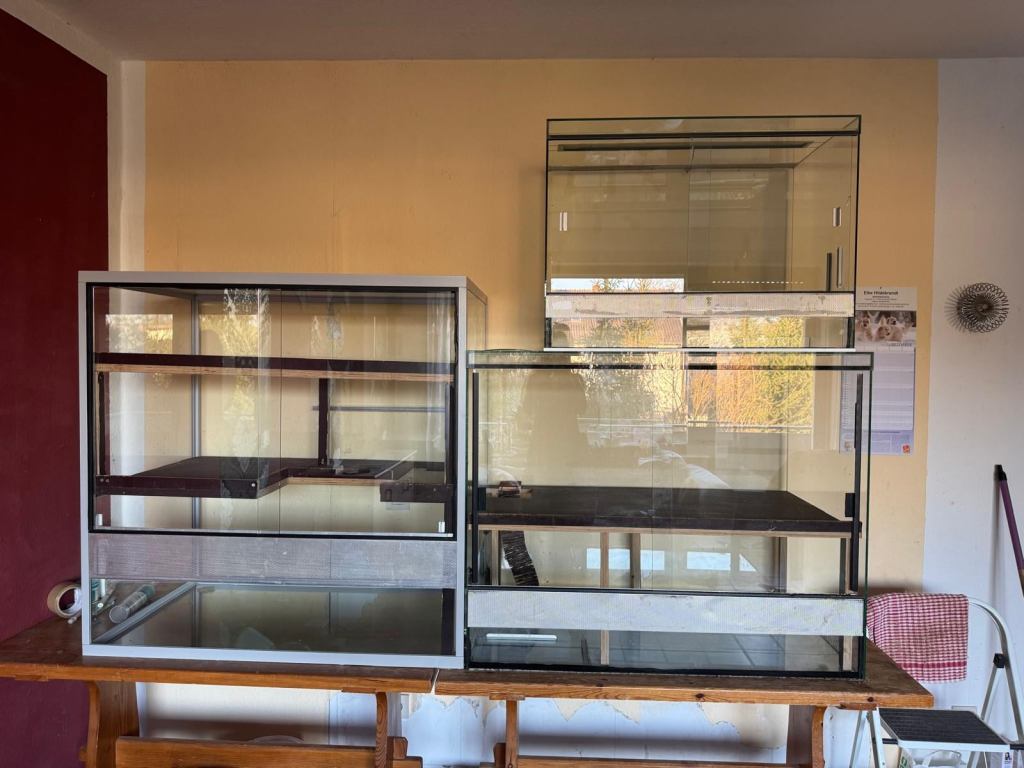
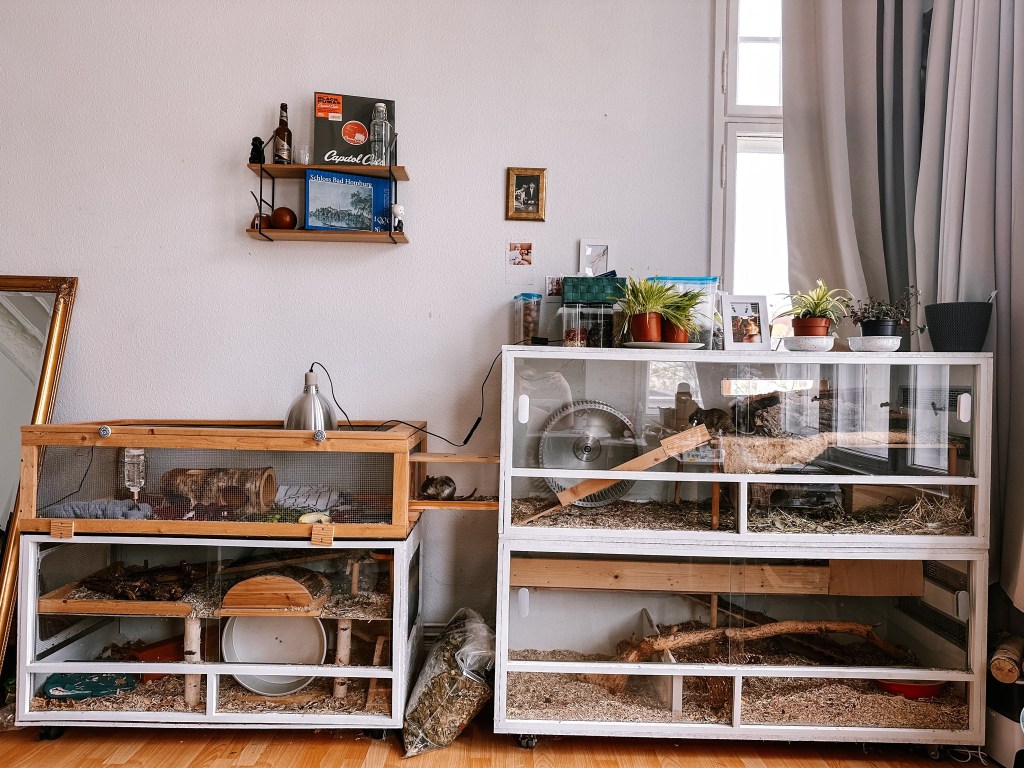
Glass Tanks/Terrariums
✔ Great for deep digging and burrowing
✔ Prevents bedding mess on your floor
✔ Attractive interior-wise
✘ Poor airflow unless custom-modified
✘ Heavier and often expensive
✘ Needs secure, ventilated lid
✘ Glass is fragile and difficult to repair
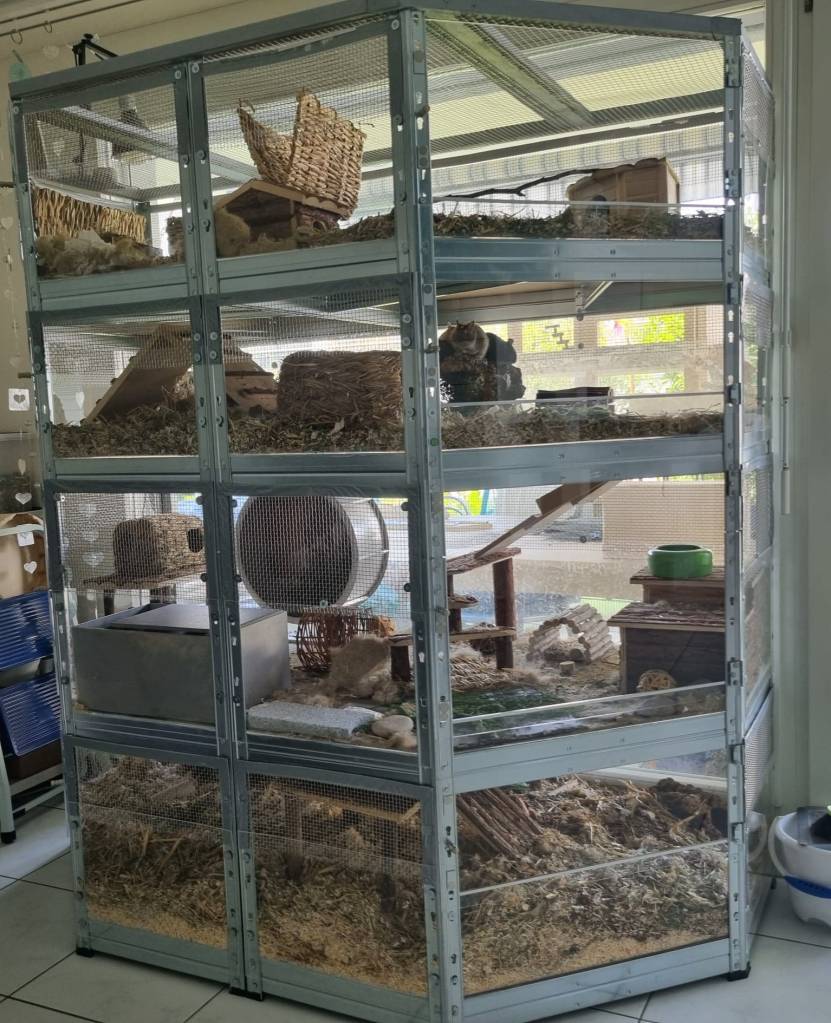
Multi-Level and Hybrid Cages
✔ Combines running and burrowing possibilities
✔ Often larger and modular
✘ Requires careful inspection for escape points
✘ Requires know-how and commitment to DIY
Very importantly, avoid plastic cages as degu teeth chew through plastic easily, inevitably leading to escapes, injuries, and accidental ingestion. These rodents can even chew through roughly-edged aluminum.
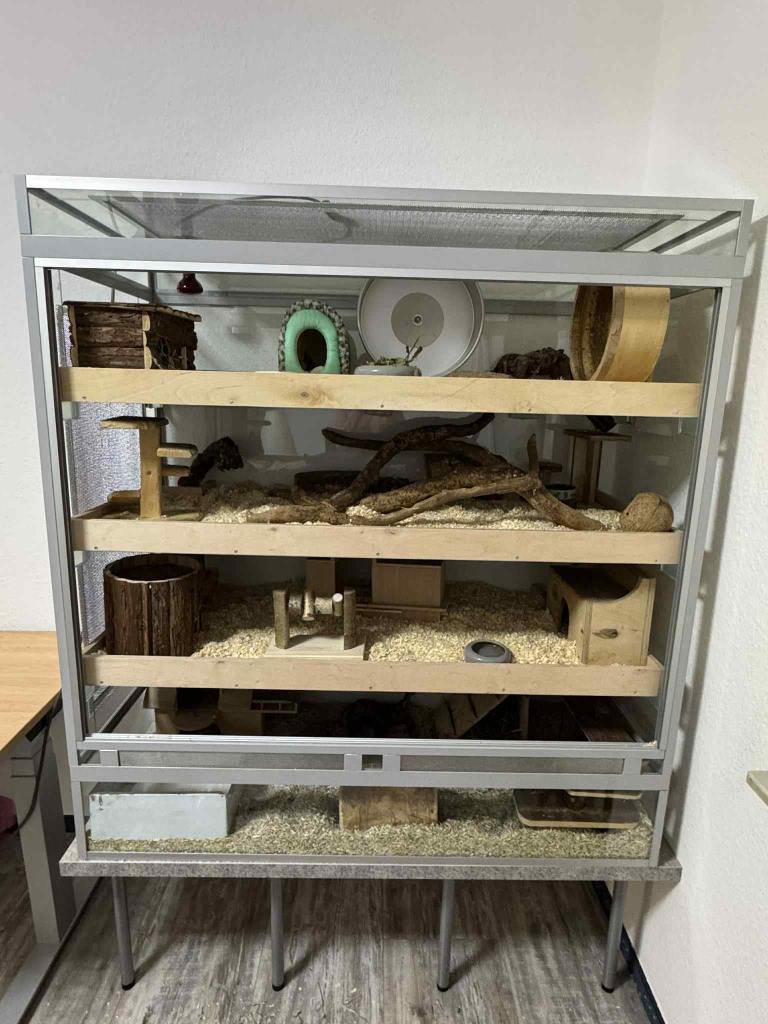


4. Bedding & Substrate: Safe, Dust-Free Choices
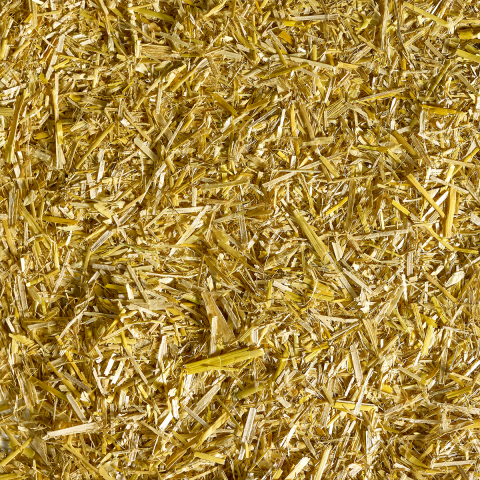
The right bedding keeps your degus comfy and supports natural digging behavior. Choose options that are dust-free and absorbent.
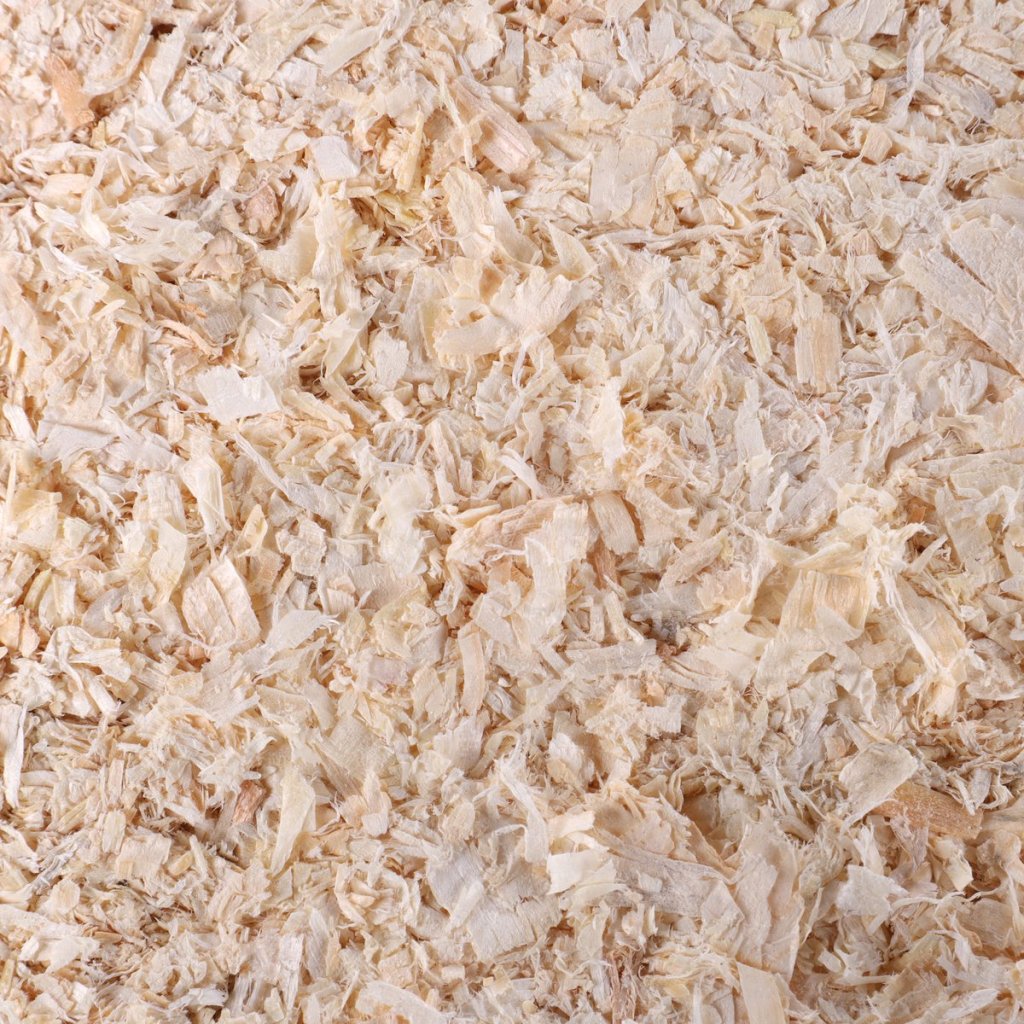
- Best options: chopped wheat straw, aspen wood shavings, or hemp
- Avoid: pine, cedar, or scented wood shavings (toxic oils), dusty clay products, or cat litter
- Good to know: Spot-clean when it is dirty; avoid full refreshment as it can cause hierarchical fights

5. Accessories: Houses, Wheels, and More
Turn your enclosure into a degu paradise with these essential accessories:
- Nests & houses (wooden or ceramic, avoid plastic)
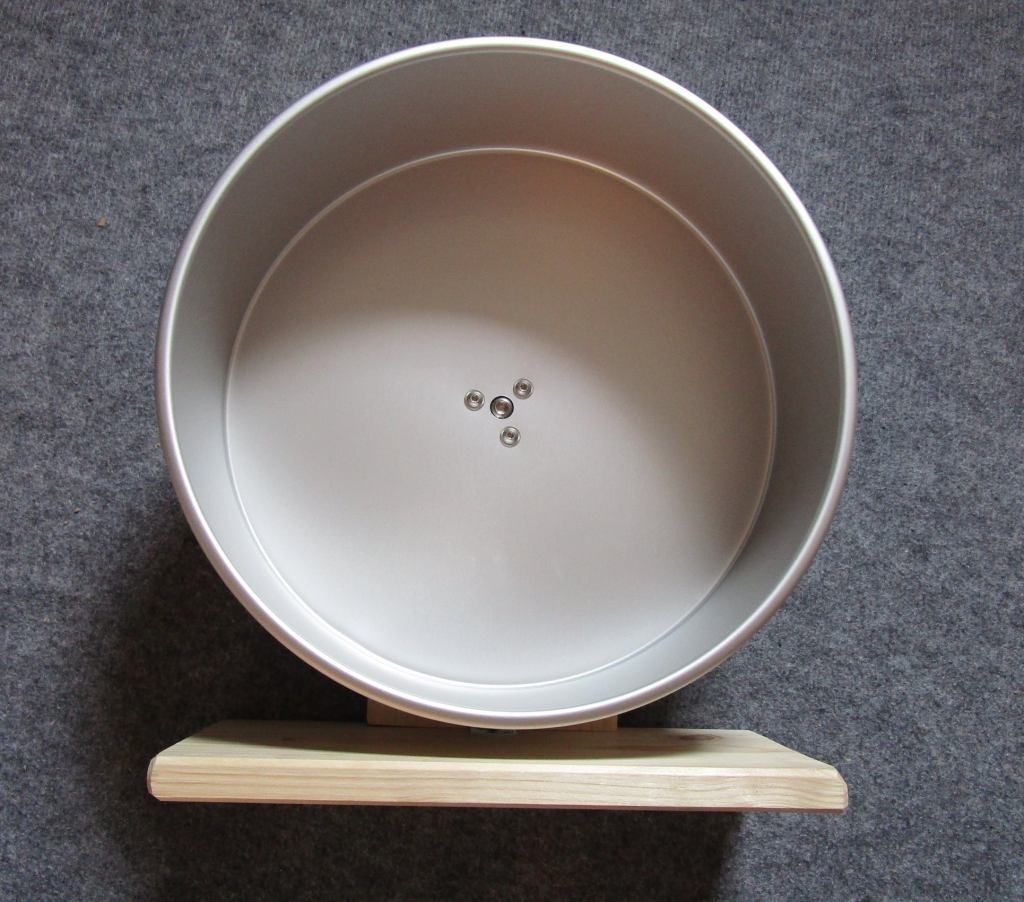
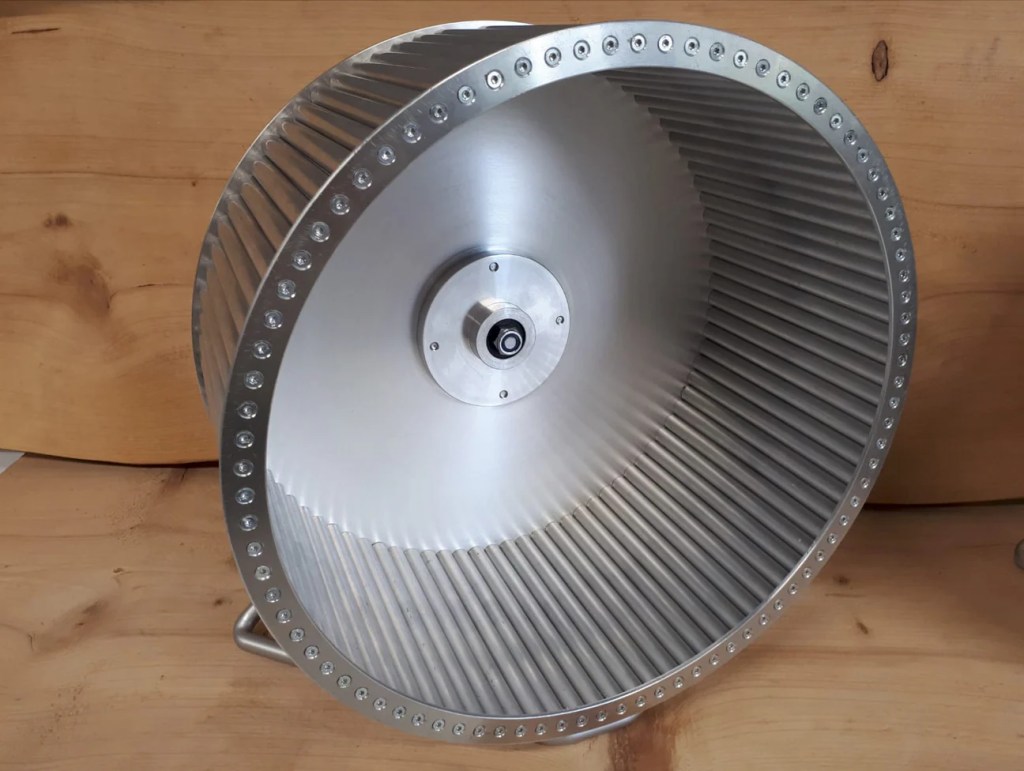
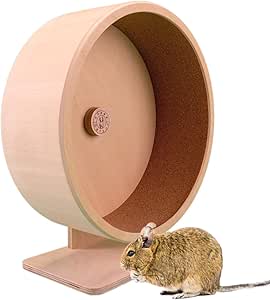
- Exercise wheel (≥33 cm diameter, solid running surface, made of metal)
- Tunnels, tubes, and hideouts for exploring
- Ledges, ramps, and platforms for moving up high
- Sand bath (large and chewproof)



6. Enrichment Matters: Keep Life Interesting!
Variety and complexity keep degus busy and happy. Change up the cage once in a while with new toys, rearrange tunnels, and add seasonal treats or safe foraged branches. Bored degus might develop bad habits: enrichment is just as important as food! Avoid redecorating too much at once, you don’t want to stress them out or cause territorial conflicts. Just change one thing at a time and not every day.
7. Placing the Cage in Your Home
- Choose a quiet area away from loud appliances or drafts
- Provide natural light but keep out of extreme heat/cold
- Aim for a stable temperature and draught-free environment
- It is possible to keep healthy degus outdoors all year (more on this later)



8. Cleaning & Maintenance Tips
A clean cage means happy, healthy degus. Remove leftover food daily, spot-clean soiled bedding, and wash food bowls/water bottles regularly. Do a step-wise deep clean (full bedding change, wipe shelves, and scrub accessories) every two weeks or so and avoid cleaning everything at once (fights!).
9. Safety First: Escape & Chew-Proofing
- Inspect the cage for gaps or loose fittings as degus are master escape artists!
- Use metal, glass, or wood with metal anti-chew strips on edges and in corners ; avoid plastic at ALL times.
- Secure doors and use metal clips or locks if needed.
- Remove anything with sharp edges or toxic coatings.
By creating a welcoming, safe, and stimulating enclosure, you will help your degus live long, healthy, and joyful lives. Happy housing!
If you have any questions about degu housing, feel free to send them to me!


 Andean Whispers