Nutrition for Degus: A Plant Diet
A proper diet is essential for a healthy, happy degu. On this page you will find comprehensive information about what degus can and cannot eat, safe and dangerous foods, how to create a balanced diet, feeding schedules, treat tips, the importance of fiber and hay, and more.


1. Why a Good Diet Is Important for Degus
Degus have a unique digestive system that requires a fiber-rich, sugar-free plant diet. You could call it a lean, vegan diet. The right nutrition keeps them vital, helps prevent issues like dental problems and diabetes, and supports their natural behavior. Incorrect feeding can cause serious health problems.
2. Diet Basics: Hay & Fiber
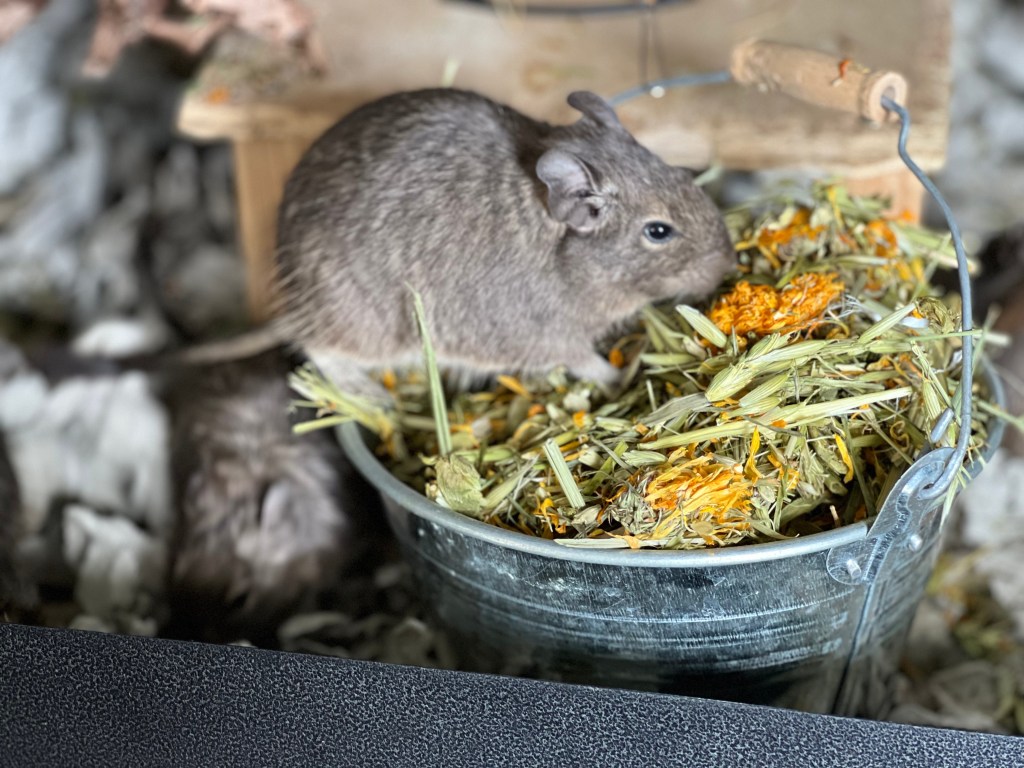
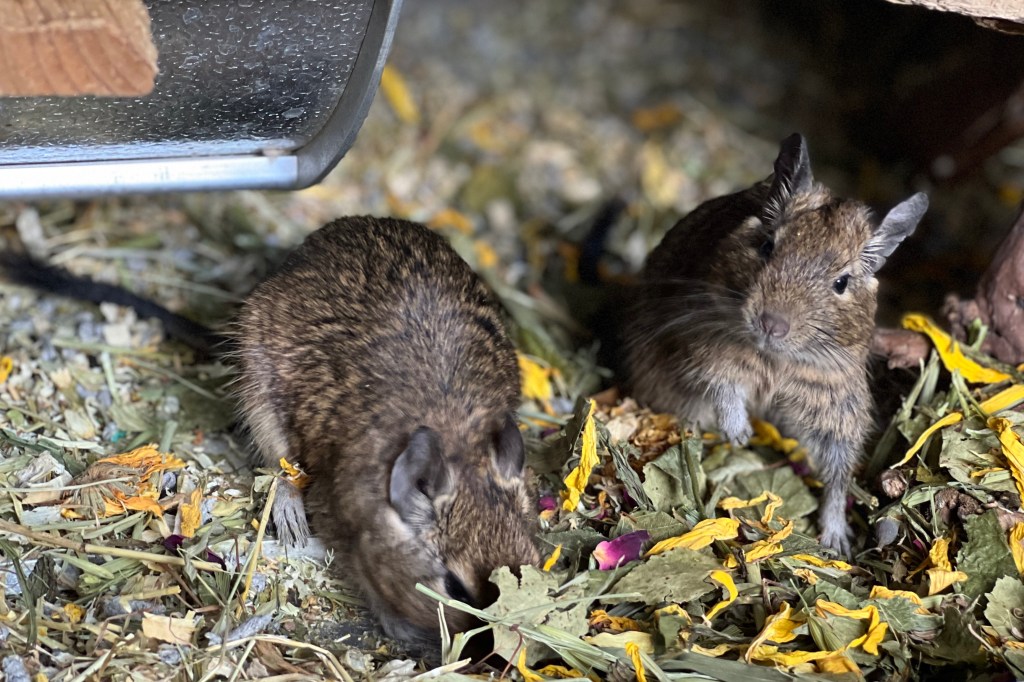
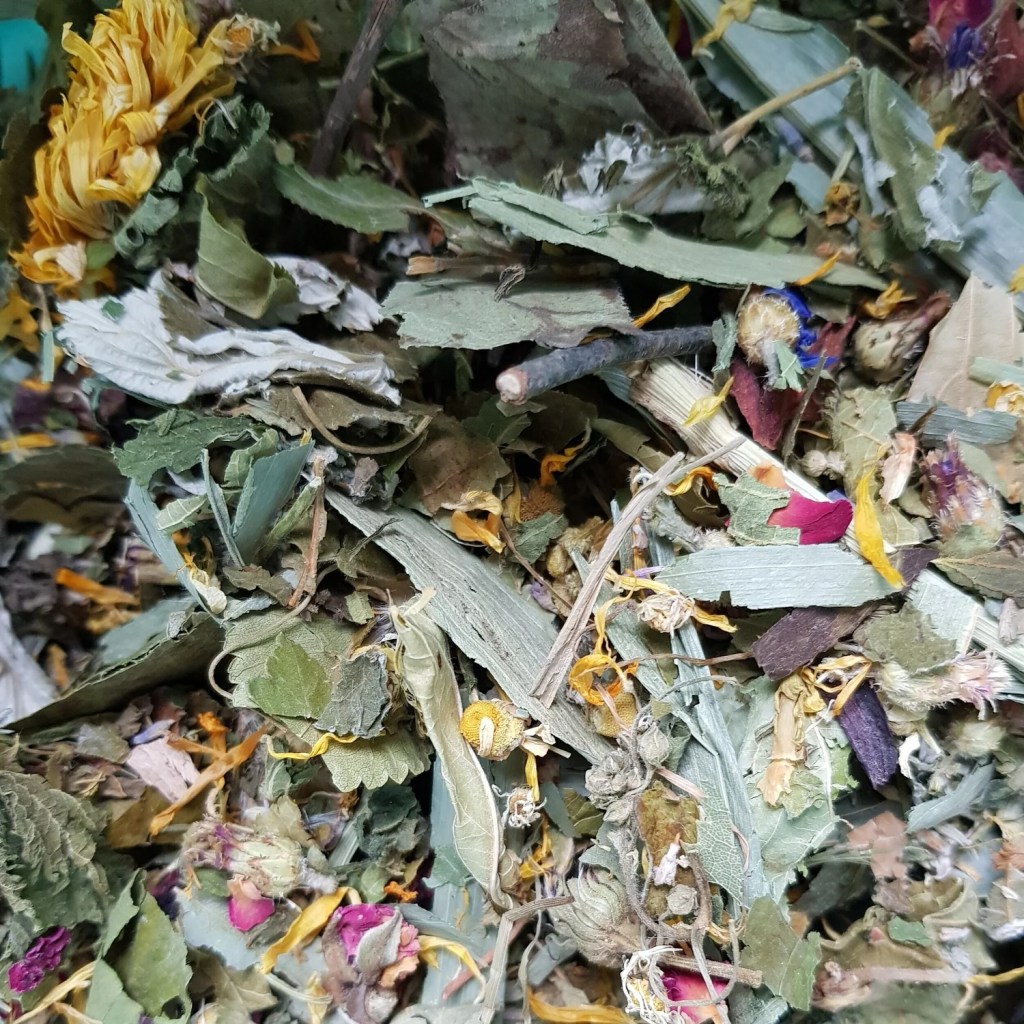
Contrary to what most people believe, hay is not the most nutritionally important part of the degu diet. However, hay should always be available without restriction. Good options are meadow hay, herbal hay or timothy hay. Switch it up once in a while. Hay provides fiber for healthy digestion and naturally wears down teeth, although not as well as fresh fibres do. Make sure the hay is clean and dry, and replace it often. The most important of a degu is the variety of fresh and dried plant parts: blossoms, stems, branches, leaves and roots.
3. Main Food: Fresh & Dry Plants
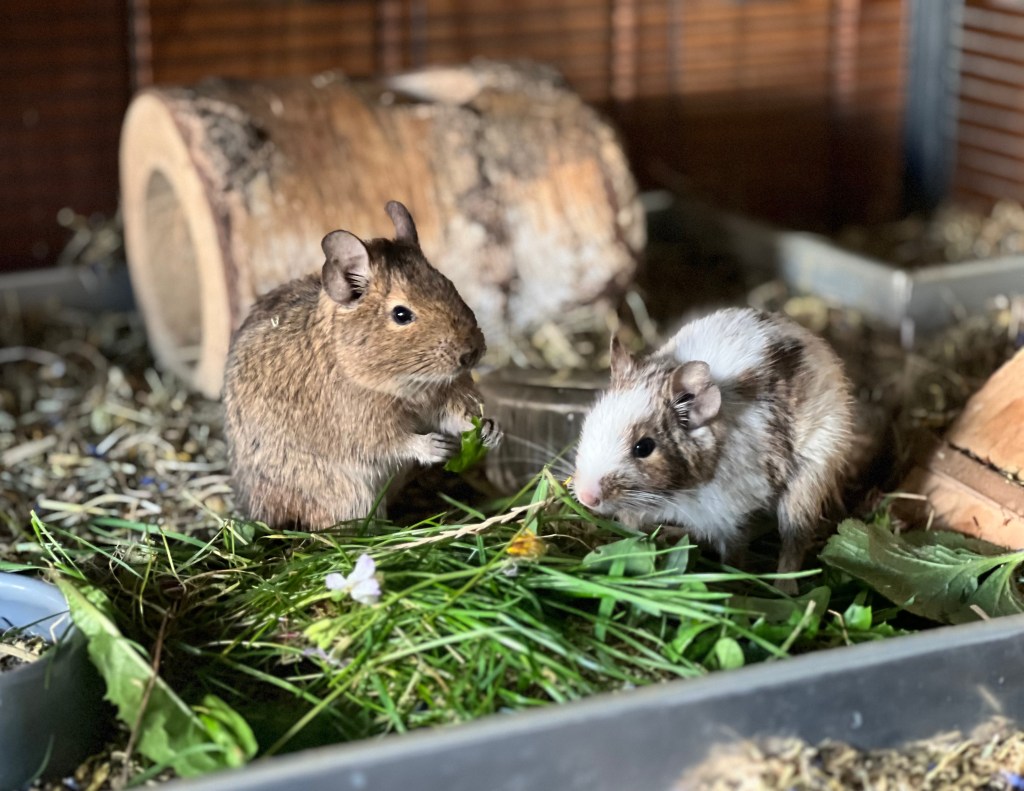
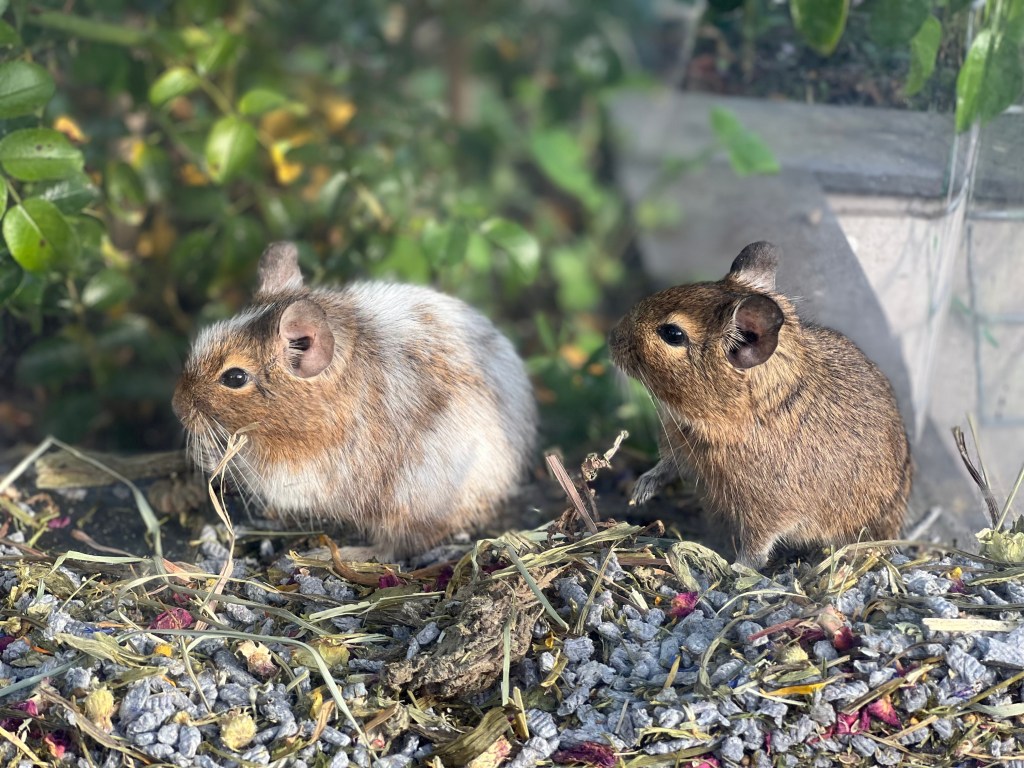
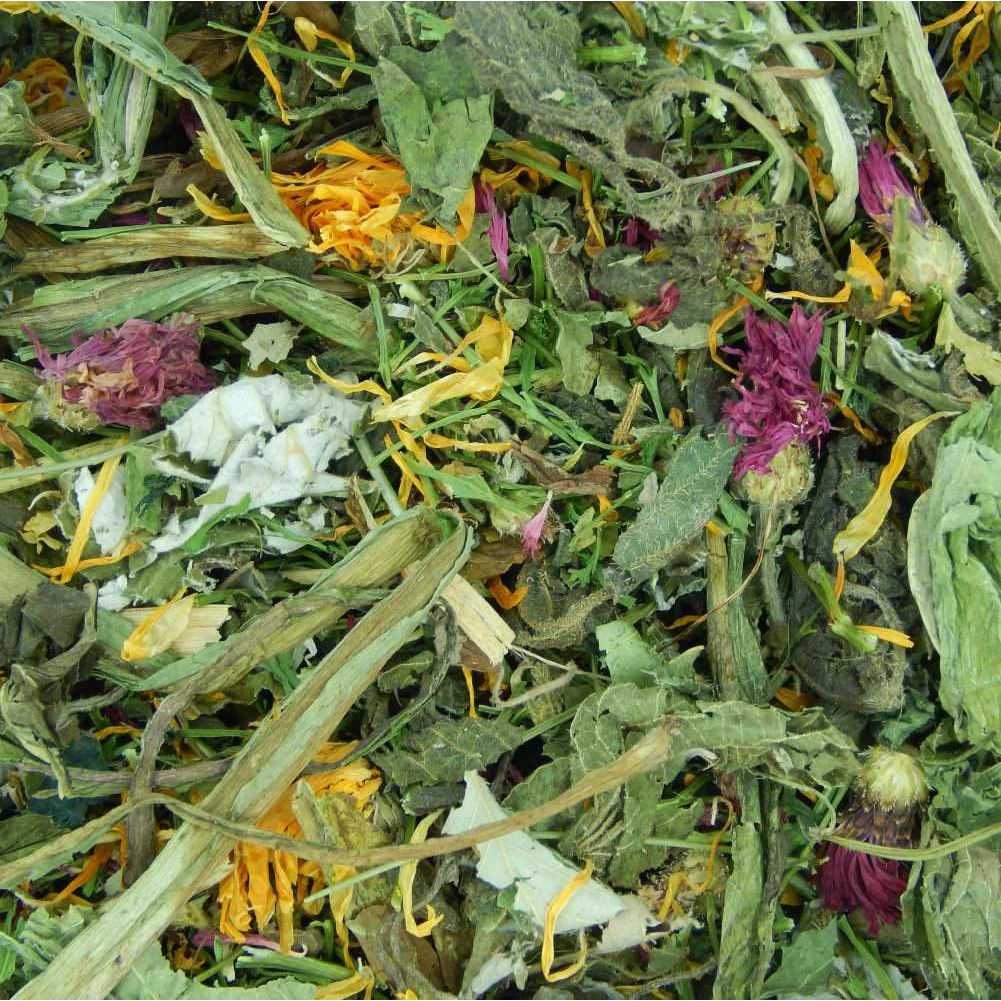
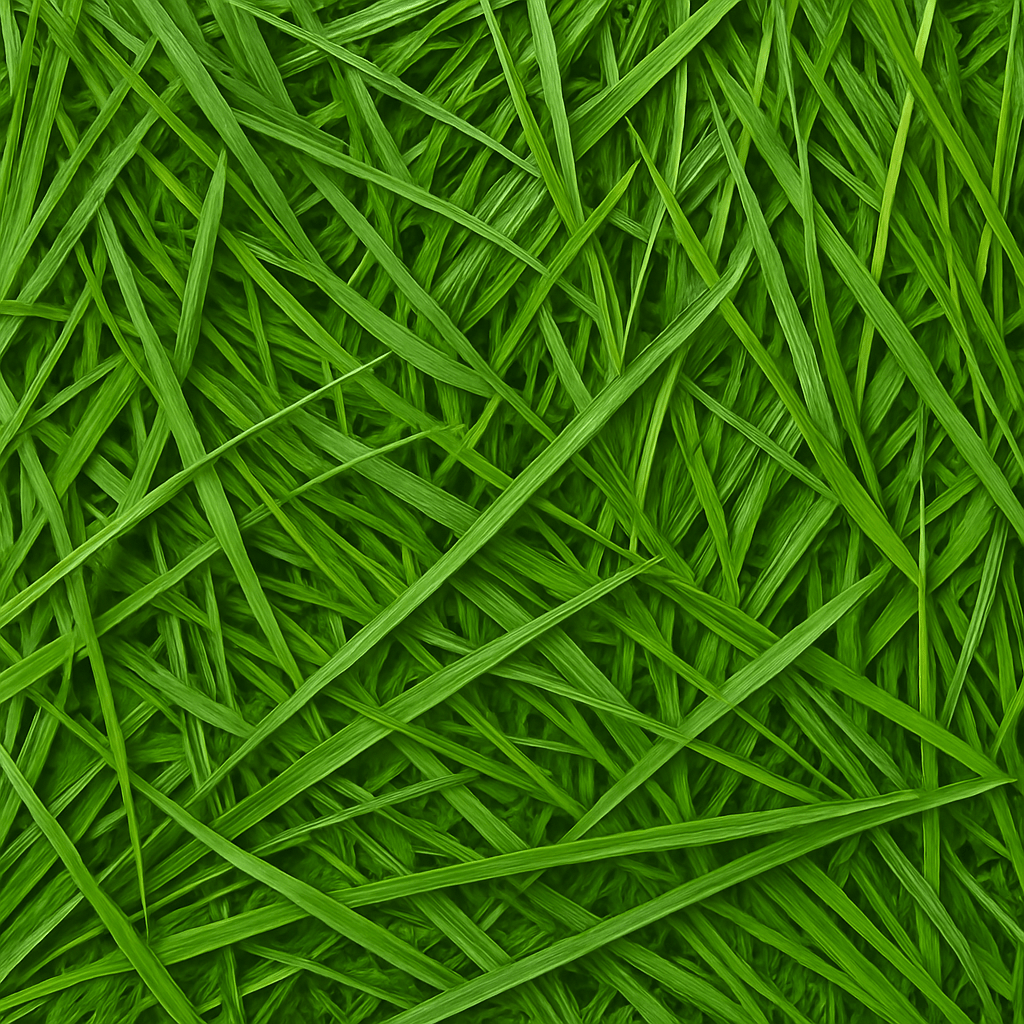
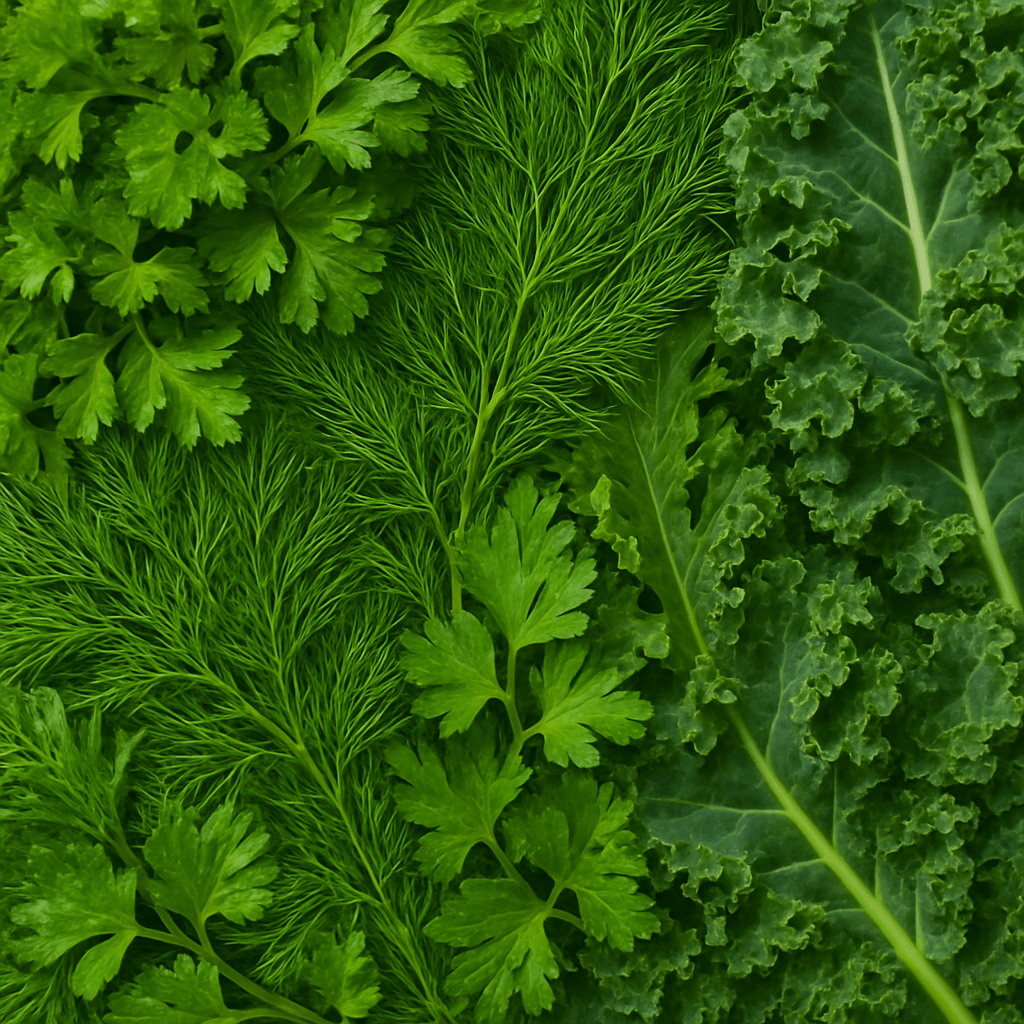
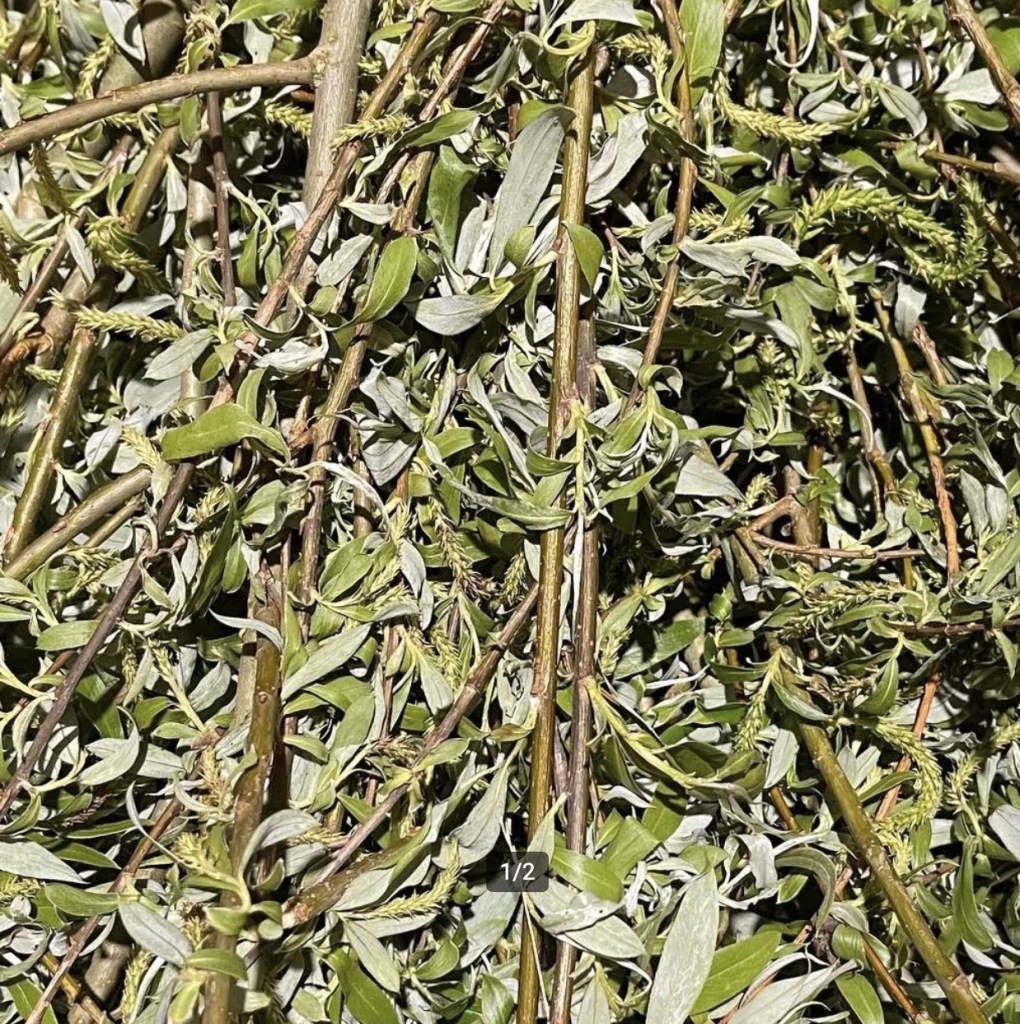
Degus thrive on variety. A wide selection of fresh and dried plants keeps them active, curious, and balanced from within. Different textures and flavors provide fiber, vitamins, and minerals, and invite them to forage as they would in the wild. Each bite of grass or leaf gently guides the jaw in its natural left-right rhythm, keeping the teeth and mind equally healthy.
Examples (use the arrows):


4. Supplement: Degu SAB Seeds and Pellets
Choose a high-quality, sugar-free and fiber-rich concentrated feed for degus. Avoid mixed grains or mueslis as these often contain sugary ingredients and too much fat, which can lead to diabetes and dental disorders. The food should be specially formulated for degus (without added sugar). Preferably, go for the ‘SAB’-label, meaning Species-Appropriate and Balanced for degus. Concentrated hard feed should merely be an ‘extra addition’ to your degus plant diet. Never offer pellets or seeds without restriction as your degus will destroy their teeth and the rest of their body.
Safe Vegetables and Herbs
✔ Parsley
✔ Dill
✔ Coriander
✔ Basil
✔ Salad
✔ Fennel greens + a little bit of fennel
✔ Dandelion
✔ Plantain
✔ … I will soon offer a full list to download
Dangerous Foods for Degus
✘ Seedy chewsticks for rabbits and rodents (containing molasses and grains)
✘ Too many grains
✘ Meat, dairy, fish, insects
✘ Sugary vegetables like corn, carrot, beet
✘ Cereal and granola
✘ Rice and popcorn
Daily Feeding and Nutrition Schedules
✔ Hay always available
✔ Herbs dried and/or fresh: always available
✔ Power food (hardfeed) only once a day or once every other a day, a tablespoon per degu
✔ Healthy snacks once in a while
Never feed degus fruit or products containing sugar, as their bodies are very sensitive to sugars. Avoid (dried) fruit, carrots, corn, raisins, sweets, grains, and too many nuts. Also be cautious with pet shop snacks; always read the label and ask your exotic-specialized vet!
5. Treats for Degus: What Is and Isn’t Allowed?
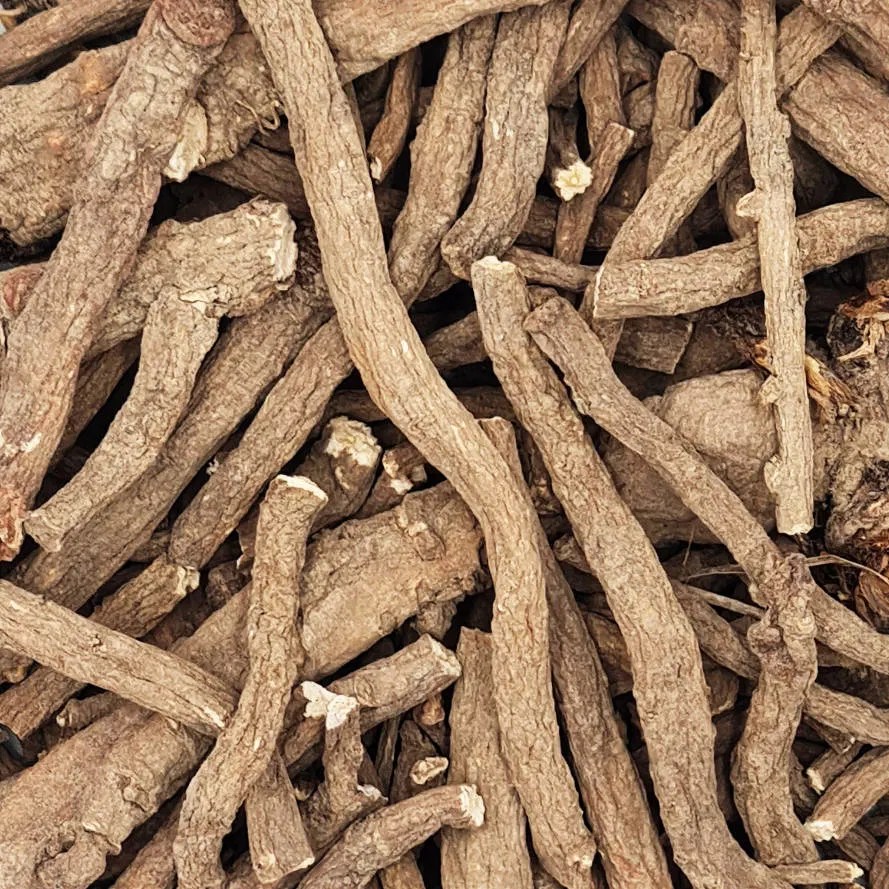
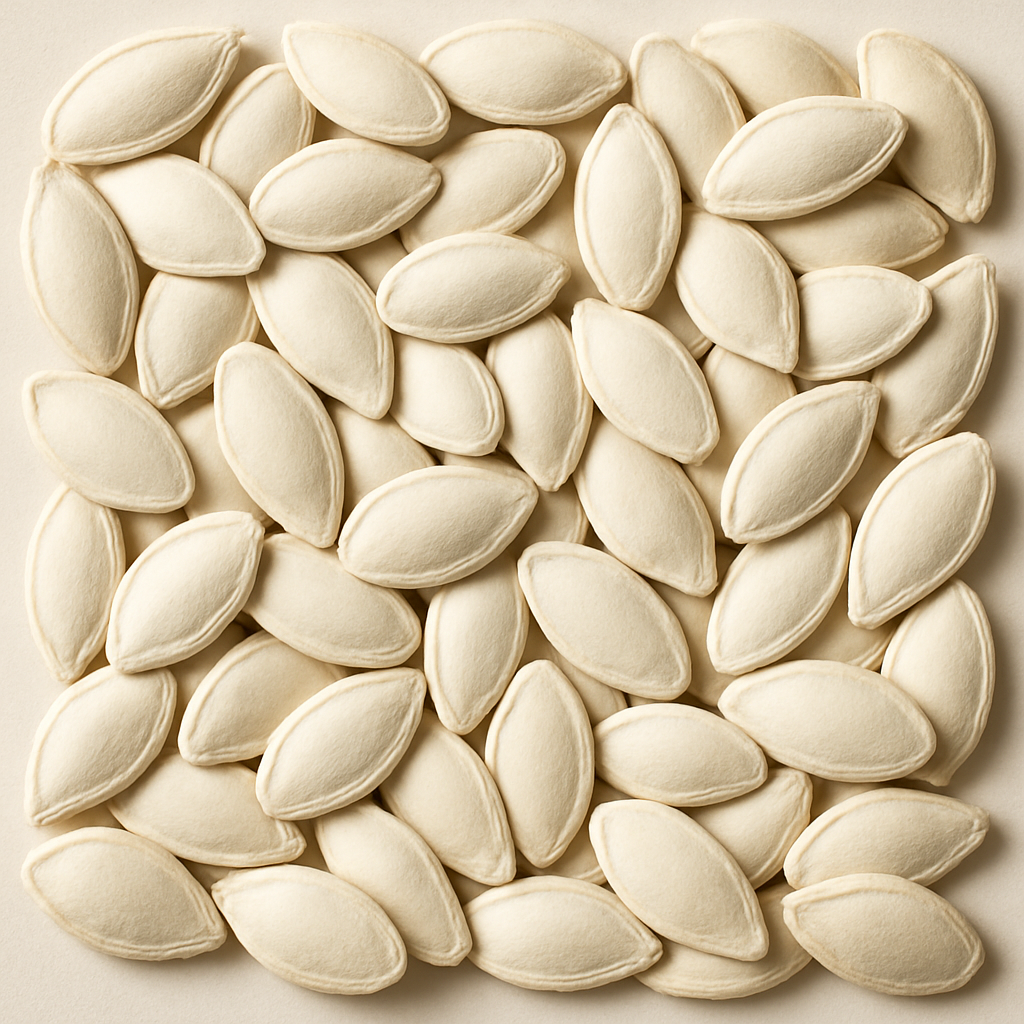
Safe treats include small amounts of high calory plant-based and natural products, like for example a dried dandelion root, a peaflake, sunflower seed or, occasionally, an unsalted walnut or hazelnut. Offer treats sparingly and never let them replace the main food.



6. The Importance of Natural Foraging Behavior
Natural foraging is the act of having to go search for food to survive. Scatter leaves, herbs and branches throughout the enclosure or use feeding puzzles for extra enrichment. To enable natural foraging, try hiding small portions of food in various spots, using foraging toys that require manipulation or problem solving, and offering safe substrates that allow degus to dig and search for treats.
You can also provide cardboard tubes or boxes filled with hay to encourage exploration.
Foraging behavior is extremely important for degus, as it allows them to express instinctive behaviors and supports both their physical and mental wellbeing. Encouraging foraging helps prevent boredom, stress and obesity, while stimulating their minds and keeping them active.
Hand feeding strengthens the bond, but always watch the number of treats and keep an eye on the crucial part of the diet: plants.
7. Drinking Water: Clean and Always Available
Always provide fresh and clean drinking water in a bottle or heavy ceramic bowl. Change the water daily and thoroughly clean the bottle or bowl at least once a week. A bowl is the most natural solution.
8. Summary: Creating a Daily Menu
Create a daily menu with unlimited hay, a measured amount of concentrated feed (max. 1 tablespoon per degu per day) and a changing variety of both dried and fresh herbs. Avoid sudden diet changes; introduce new products gradually and watch for reactions.

Do you have questions about the degu diet or are you unsure about certain foods? Feel free to get in touch! I’m happy to help you keep your degus healthy.


 Andean Whispers